Let the produce lead. A thoughtful blend begins with fresh ingredients, good preparation, and a clear idea of how it fits alongside your meals.
A glass with a history.
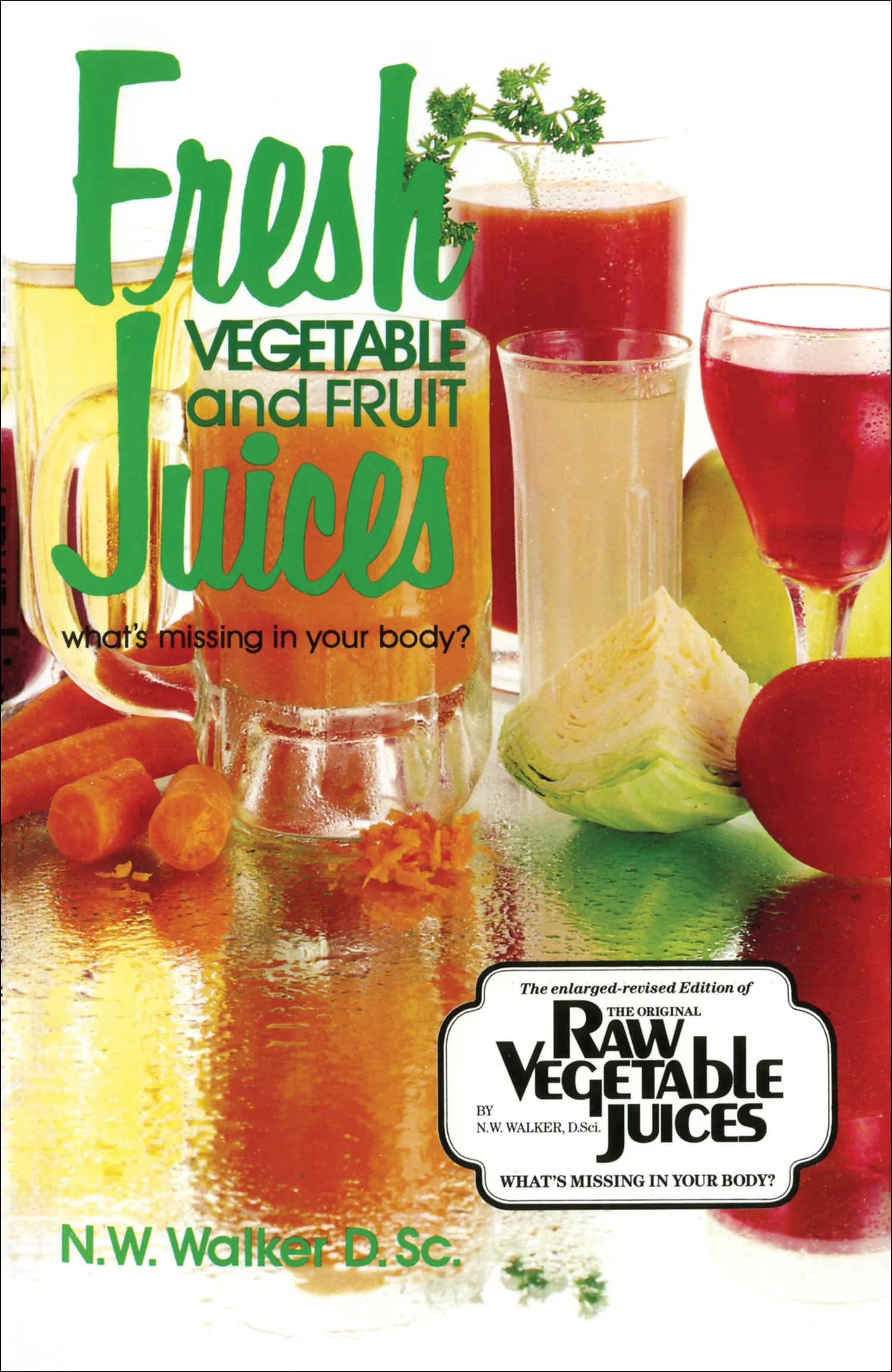
Fresh vegetable juice sits at the center of Walker’s writing. His older title, Raw Vegetable Juices, developed into the book now published as Fresh Vegetable and Fruit Juices. The changing title matters: an edition is a particular text, with its own date, page numbers, and presentation.
A Wellcome Collection record identifies a revised-enlarged 1947 edition, with a March 1949 reprint noted. It credits Walker and records compilation under the direction of R. D. Pope. That is firmer evidence for this edition than an undated quotation repeated online.
Learn the character of the ingredients.
Carrot brings sweetness and a dense orange color. Celery contributes a distinctive savory, aromatic note. Cucumber lightens a blend; apple rounds its sharp edges; a little lemon can change the whole balance. These are culinary observations, a useful place to begin before reaching for grand claims.
Walker’s ingredient-by-ingredient approach rewards slow reading. Notice which produce he groups together and the reasoning he offers. His explanations of minerals, enzymes, and disease are part of his historical framework; a recipe and its claimed medical effect should not be treated as the same thing.
Juicing, blending, eating: know the difference.
| Form | What happens | Use in the kitchen |
|---|---|---|
| Extracted juice | Liquid is separated from much of the pulp. | A small drink with a meal, or a way to explore a blend. |
| Whole-produce blend | The edible ingredients and pulp remain together. | A thicker smoothie or blended soup. |
| Whole fruit or salad | The original food structure remains to be chewed. | The foundation for texture, variety, and a satisfying plate. |
The same ingredients can appear in all three forms, with different results. Juice is one part of the food story. Keep whole vegetables, fruit, and substantial meals in the picture.
Start small. Make it repeatable.
Choose a short ingredient list, wash the produce, and make only what you will use promptly. Record the actual ingredients and the yield from your machine. Taste first; adjust the next batch instead of making every blend complicated.
An easy first experiment is carrot with cucumber and a little lemon. There is no required dose or promised outcome attached to this kitchen suggestion. It is an editorial starting point, not a reconstruction of one of Walker’s numbered formulas.
Give fresh juice good handling.
Wash hands and rinse produce under running water before cutting. Scrub firm produce, remove damaged portions, and clean food-contact parts as the machine’s instructions require. Refrigerate promptly. Freshness and a clean appearance do not make untreated juice sterile.
For children, pregnancy, older adults, or a weakened immune system, choose pasteurized or otherwise treated juice. Follow any individual dietary advice that applies to you.
Norman W. Walker
Fresh Vegetable and Fruit Juices
Walker’s central juice reference, organized around ingredients, combinations, and his explanations of their use. Read it for the shape of his method and the historical language behind the fresh-juice movement.
Buy on AmazonBook & edition details →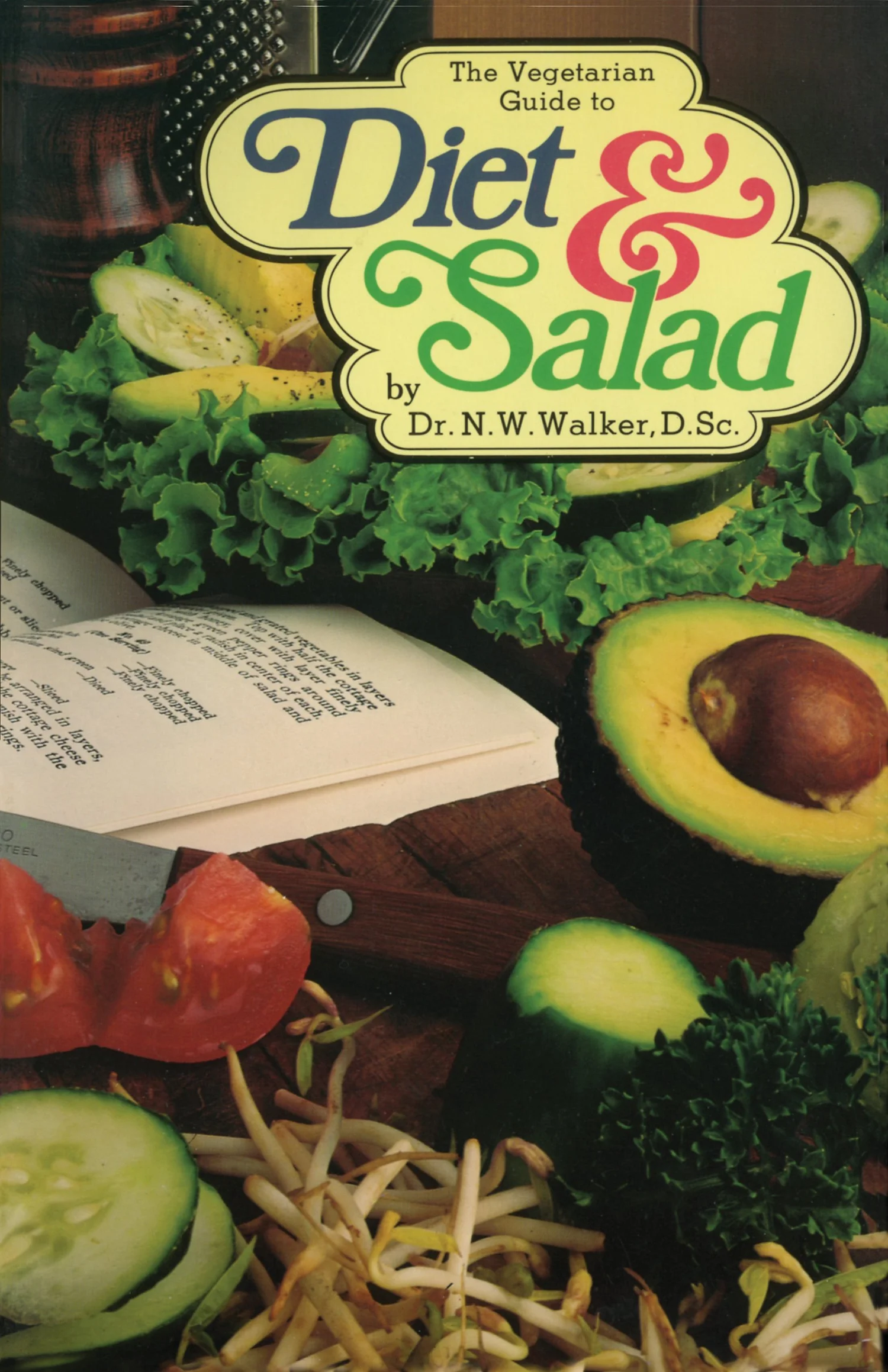
Norman W. Walker
Vegetarian Guide to Diet and Salad
A companion for the table: vegetables, fruit, nuts, salads, and menu ideas. Its ingredient discussions and more than seventy salad combinations make it the most direct bridge from Walker’s books to a varied kitchen.
Buy on AmazonBook & edition details →