Ground.
Ask how the grower cares for soil, water, and the crop. Specific practices tell you more than a broad promise.
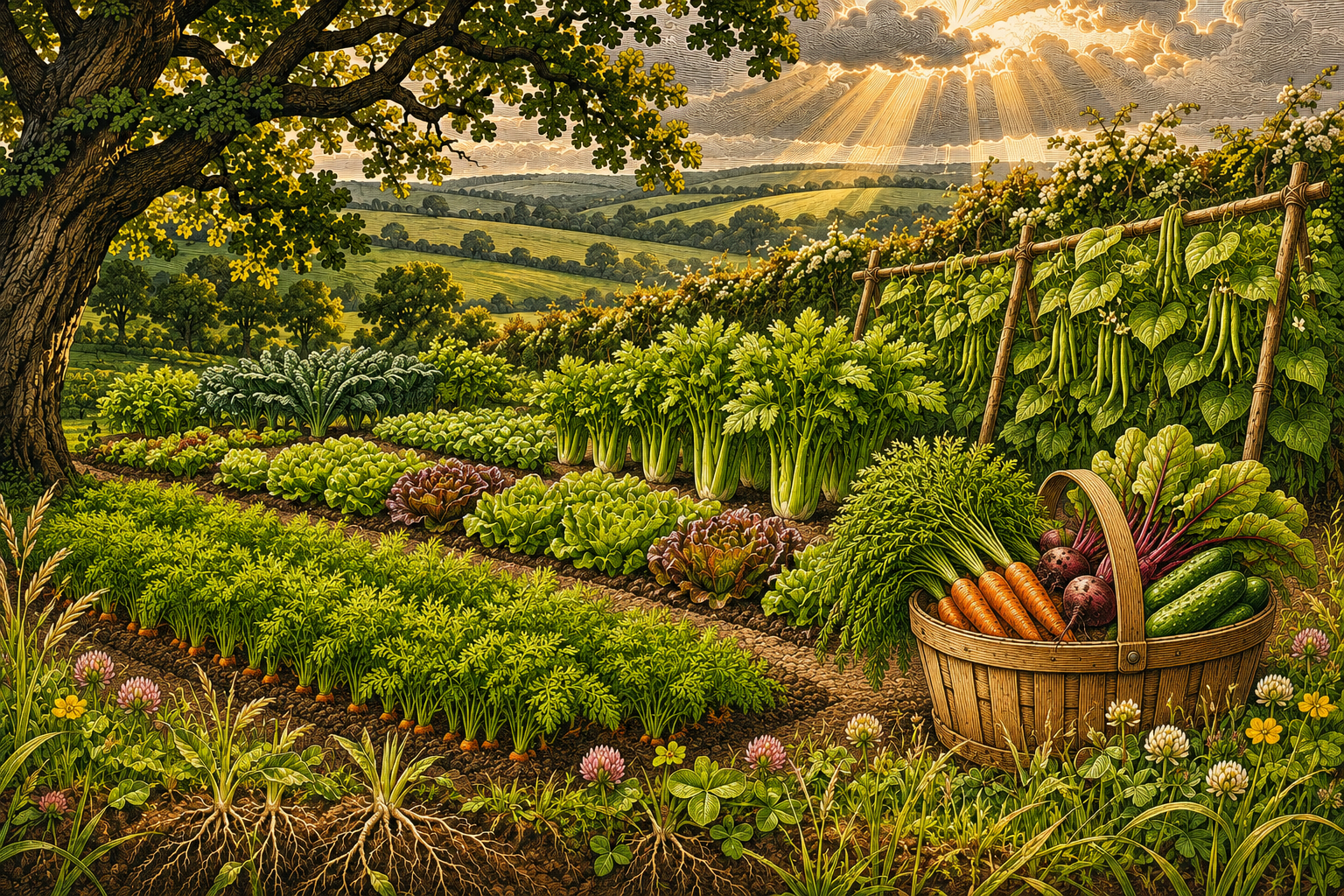
Garden first. All the way to the table.
Get back to the ground.
Living gardens. Seasonal harvests. Food with a source you can know. Take the ingredients behind your nourishment seriously.
Rooted in the land.
Made for the table.
The whole chain matters
A fresh-food kitchen begins before the chopping board. Soil, growing conditions, variety, maturity, harvest, storage, and preparation all belong to the story. A bright label cannot tell you everything. A relationship with a grower can tell you much more.
Walker’s interest in vegetables and juices invites this wider curiosity. The point is to become familiar with food itself: how a carrot tastes through the season, how quickly tender leaves fade, and what makes a salad worth returning to.
Start with a small number of ingredients you use often. Learn when they are harvested nearby and how to store them. That knowledge improves ordinary meals every week.
Ask how the grower cares for soil, water, and the crop. Specific practices tell you more than a broad promise.
Learn what is ready now. Seasonal variety can change the flavor, price, and possibilities on your plate.
Ask when it was picked and how it has been handled. Freshness is a chain of decisions, not a single word.
Bring the ingredients home with a plan. Good storage and prompt use honor the work that grew them.
Walker’s wider food world
Juicing is the best-known doorway into Walker’s work, but it is not the only one. His salad writing belongs to everyday meal preparation; his 1977 book Back to the Land … for Self-Preservation broadens the bibliography into questions of food and lifestyle.
The library record describes a 137-page edition. Its subtitle connects self-preservation, freedom, lifestyle, and nutrition. That is a bibliographic description of the work; this archive does not claim to have recovered or transcribed the complete text.
 Explore the 1977 library record
The ingredient has its own character
What variety is it? When was it picked? How was it stored? How will I use it? These simple questions make food shopping more specific and enjoyable.
Taste is worth paying attention to. So are texture, aroma, and how an ingredient holds up in a salad or juice. Appearance alone cannot tell you its complete nutrient content or how it was grown.
Get serious about the source
A useful answer is concrete. Bring curiosity to the market, and keep the conversation connected to the food you actually buy.
Take the questions with youA plain-text checklist for your next market visit.
Ask which vegetables are at their best now and which will store well. Buy delicate ingredients in quantities you will use.
Ask about soil care, irrigation, pest management, and any certification claimed. A label is a starting point for a conversation.
Different crops prefer different conditions. Ask how the grower stores it, and plan around your own refrigerator and kitchen.
Growers often know a variety’s best use. A tender leaf, a firm root, and a storage apple may each suggest a different preparation.
Make the knowledge edible
Choose an ingredient.
Learn it by using it.
Carrot, cucumber, apple, and lemon offer a useful introduction to flavor and extraction. Keep a note of the combination you enjoy.
Explore the guide →Use contrasting textures and enough substance to make a meal satisfying. Let the season change the ingredients.
Explore the guide →Use raw and cooked preparations where they suit the ingredient. Food knowledge grows through variety and practice.
Explore the guide →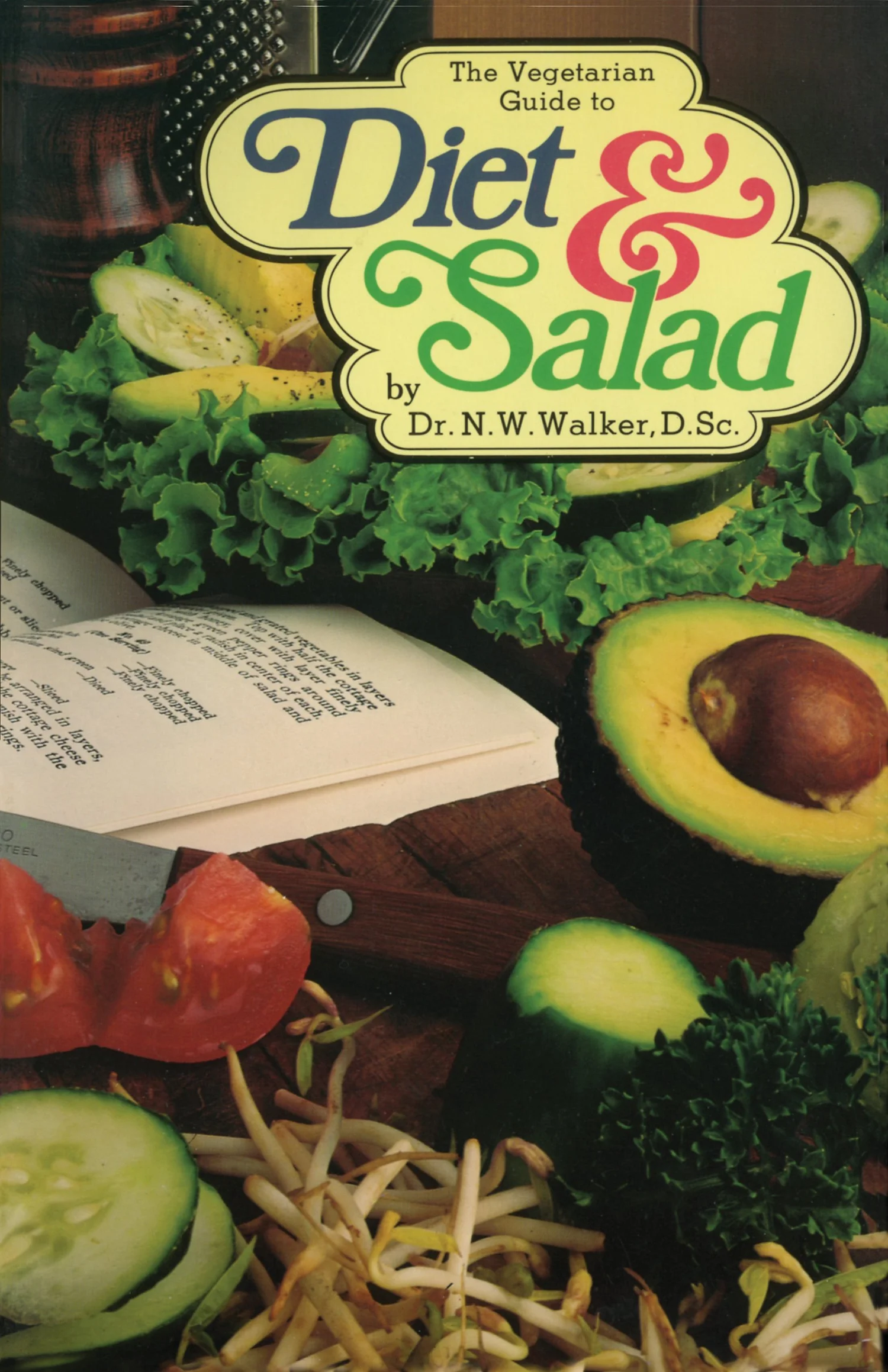
Norman W. Walker
A companion for the table: vegetables, fruit, nuts, salads, and menu ideas. Its ingredient discussions and more than seventy salad combinations make it the most direct bridge from Walker’s books to a varied kitchen.
Buy on AmazonBook & edition details →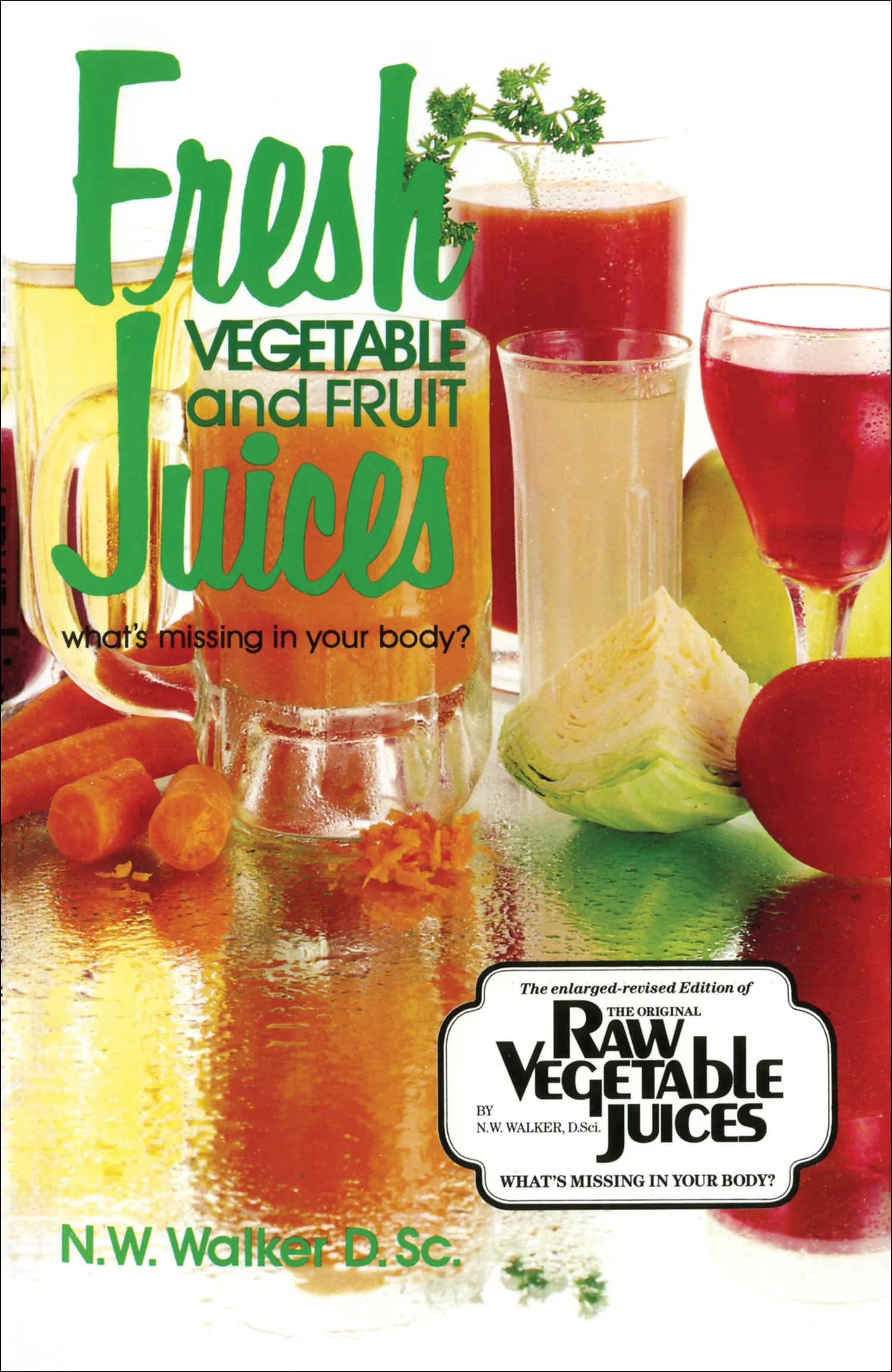
Norman W. Walker
Walker’s central juice reference, organized around ingredients, combinations, and his explanations of their use. Read it for the shape of his method and the historical language behind the fresh-juice movement.
Buy on AmazonBook & edition details →Keep digging
Take your food curiosity back into the books, then out into your own neighborhood.